A collaboration workflow is a structured process that defines how a team works together to achieve a common goal, from ideation to completion. It standardizes communication, task management, and handoffs to maximize efficiency, clarity, and output quality.
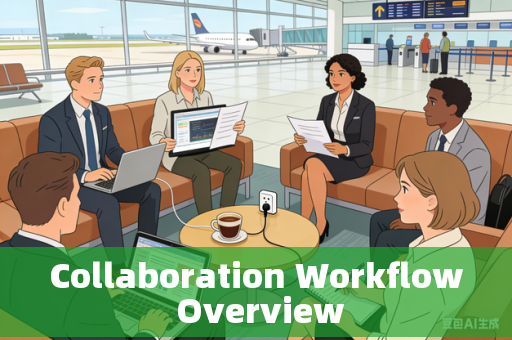
Here’s a breakdown of a typical workflow, its key phases, tools, and best practices.
Core Phases of a Collaboration Workflow
Most workflows cycle through these stages:
A. Planning & Ideation
- Goal: Define the objective, scope, and approach.
- Activities:
- Kick-off Meeting: Align stakeholders on goals, success metrics (KPIs), and roles (RACI matrix).
- Brainstorming: Generate ideas (using whiteboards, mind maps).
- Requirement Gathering: Define needs, user stories, or creative briefs.
- Resource Planning: Assign team members, budget, and timelines.
- Outputs: Project charter, creative brief, requirements doc, project plan.
B. Execution & Task Management
- Goal: Break down the work and make progress.
- Activities:
- Task Creation & Assignment: Break the project into actionable tasks (in a tool like Asana, Jira, Trello).
- Scheduling & Deadlines: Set due dates and dependencies.
- Active Work: Design, writing, coding, etc.
- Daily/Weekly Syncs: Short meetings (stand-ups) to update progress and roadblocks.
- Outputs: Completed tasks, in-progress work, updated project timelines.
C. Review & Feedback
- Goal: Iterate and refine work through structured input.
- Activities:
- Shared Drafts/Previews: Use collaborative tools (Figma, Google Docs, GitHub PRs) for real-time commenting.
- Feedback Cycles: Collect input from specific stakeholders (not everyone!). Use version control.
- Revision & Approval: Implement changes and get formal sign-offs (using approval workflows in tools).
- Outputs: Marked-up drafts, feedback threads, approved deliverables.
D. Finalization & Delivery
- Goal: Complete and deliver the final product.
- Activities:
- Final QA/Testing: Last check for errors, consistency, and requirements.
- Launch/Deployment: Publish, ship, or deliver the final output.
- Handoff: Deliver assets, code, or documents to clients, downstream teams, or repositories.
- Outputs: Final deliverable, launch report, handoff documentation.
E. Retrospective & Documentation
- Goal: Learn and improve for next time.
- Activities:
- Post-Mortem / Retrospective Meeting: Discuss what went well, what didn’t, and action items for process improvement.
- Knowledge Sharing: Document lessons learned, create guides, or archive final assets for future reference.
- Outputs: Retrospective notes, updated process docs, archived project files.
Key Components & Enablers
- Clear Roles & Responsibilities: Use a RACI Matrix (Responsible, Accountable, Consulted, Informed) to prevent confusion.
- Centralized Communication: Choose a primary channel (e.g., Slack, Teams) and define usage norms (channels, threads, @mentions).
- Single Source of Truth: All key documents, tasks, and files should live in one accessible platform (e.g., SharePoint, Notion, Confluence).
- Defined Tools & Conventions: Standardize on core tools for tasks, docs, design, and communication. Agree on naming conventions, file structures, and how to use each tool.
Common Workflow Models
- Linear (Waterfall): Sequential phases (Plan → Execute → Review → Deliver). Good for projects with fixed, clear requirements.
- Agile/Iterative: Work in short cycles (Sprints), with planning, execution, and review happening repeatedly. Adapts to change. Common in software (Scrum, Kanban).
- Creative/Content Workflow: Often follows: Brief → Ideation → Creation → Review/Feedback → Revision → Approval → Publish.
Best Practices for Effective Workflow
- Document the Workflow: Make the process visual and accessible to everyone.
- Automate Repetitive Tasks: Use tool integrations (e.g., form → task, email → channel) to save time.
- Set Feedback Rules: Define who gives feedback, how (specific, actionable), and when to avoid bottlenecks.
- Establish Meeting Protocols: Have clear agendas, timeboxes, and action items.
- Promote Transparency: Make project status, timelines, and blockers visible to all stakeholders.
- Be Adaptable: Regularly review and tweak the workflow based on team retrospectives.
Example Tool Stack
- Communication: Slack, Microsoft Teams
- Project/Task Management: Asana, Jira, Trello, ClickUp
- Documents & Wikis: Google Workspace, Microsoft 365, Notion, Confluence
- Design & Creative: Figma (collaborative design), Adobe Creative Cloud
- Development: GitHub/GitLab (code collaboration, PR reviews), VS Code Live Share
- File Sharing: Dropbox, Google Drive, SharePoint
Visual Summary: The Collaboration Loop
[PLAN]
  │ (Define goal, scope, roles)
  ▼
[EXECUTE]
  │ (Break into tasks, work, sync)
  ▼
[REVIEW]
  │ (Share, gather feedback, revise)
  ▼
[DELIVER]
  │ (Finalize, launch, handoff)
  │
  └──→ [RETROSPECT] → Improve Process → Back to [PLAN]
In essence, a successful collaboration workflow is less about rigid rules and more about creating a shared, predictable system that reduces friction, keeps everyone aligned, and allows the team to focus on doing great work together.
Permalink: https://toolflowguide.com/Collaboration-Workflow-Overview.html
Source:toolflowguide
Copyright:Unless otherwise noted, all content is original. Please include a link back when reposting.